Different Types of C-Sections: What Every Expecting Parent Should Know
November 18, 2026

Expecting a baby requires countless decisions. One topic many expecting parents often have questions about is cesarean birth, also commonly known as a C-section. Although some C-sections are planned months in advance, others are unplanned and may even occur in an emergency situation. Understanding the different types of C-sections, the reasons one may be recommended, and the support available before, during, and after can help expecting parents feel more informed and confident.
Understanding Planned vs. Unplanned Procedures
One of the biggest distinctions among cesarean births is whether the procedure is planned or performed due to an emergency situation. In comparing a planned vs. emergency C-section, it should be understood that a planned C-section is often referred to as a scheduled cesarean. This type of procedure is arranged before the onset of labor. The date for the procedure is determined in advance in consultation with your healthcare provider. Reasons for a planned C-section include:
- Previous Cesarean Birth – In some cases, parents who have delivered via C-section previously may choose or require a repeat cesarean, depending on their medical history and provider recommendations.
- Breech Presentation – When a baby is positioned feet-first or bottom-first instead of head down, a planned C-section may be considered the safest delivery option.
- Multiple Pregnancies – Twins, triplets, or other multiple pregnancies may increase the likelihood of cesarean delivery, particularly if one or more babies are not positioned correctly for vaginal birth.
- Placenta-Related Concerns – Conditions such as placenta previa, where the placenta partially or completely covers the cervix, can make vaginal delivery unsafe.
- Certain Medical Conditions – Some maternal health conditions may increase risks during labor and lead providers to recommend a scheduled C-section.
- Fetal Health Concerns – Specific fetal conditions or developmental concerns may influence the decision to plan a surgical birth to optimize safety during delivery.
Emergency C-sections occur after the onset of labor. In a situation in which there are immediate concerns for the health of the baby and/or mother, the medical team may decide it is necessary to move quickly to ensure the safest outcome possible. An unplanned C-section can be emotionally overwhelming, which can make emotional support particularly valuable.
An unplanned C-section may begin with parents planning a vaginal birth, but circumstances arise that make cesarean delivery the safest option. Unlike a true emergency procedure that requires immediate action, an unplanned C-section usually allows more time for discussion, informed consent, and preparation. Some of the most common reasons for an unplanned cesarean include:
- Labor that has stopped progressing
- When the baby remains in a difficult position
- Maternal exhaustion during a prolonged labor
- Concerns about fetal well-being
- Failure of the cervix to dilate properly
Understanding Elective Procedures
An elective C-section is a planned procedure that is not medically required. Some expecting parents may opt for an elective cesarean due to personal preferences, previous birth experiences, anxiety regarding labor, or other considerations. Although an elective C-section is still considered major surgery, it does offer the advantage of knowing when birth will occur and the ability to avoid the uncertainties associated with labor.
Preparing for Different Types of C-Sections
Whether a cesarean is planned or becomes necessary during labor, preparation can make a significant difference in the overall experience. Even though it is not always possible to plan for different types of C-sections, expectant parents can make preparations that will help them feel more prepared in the event of an unplanned C-section or emergency C-section.
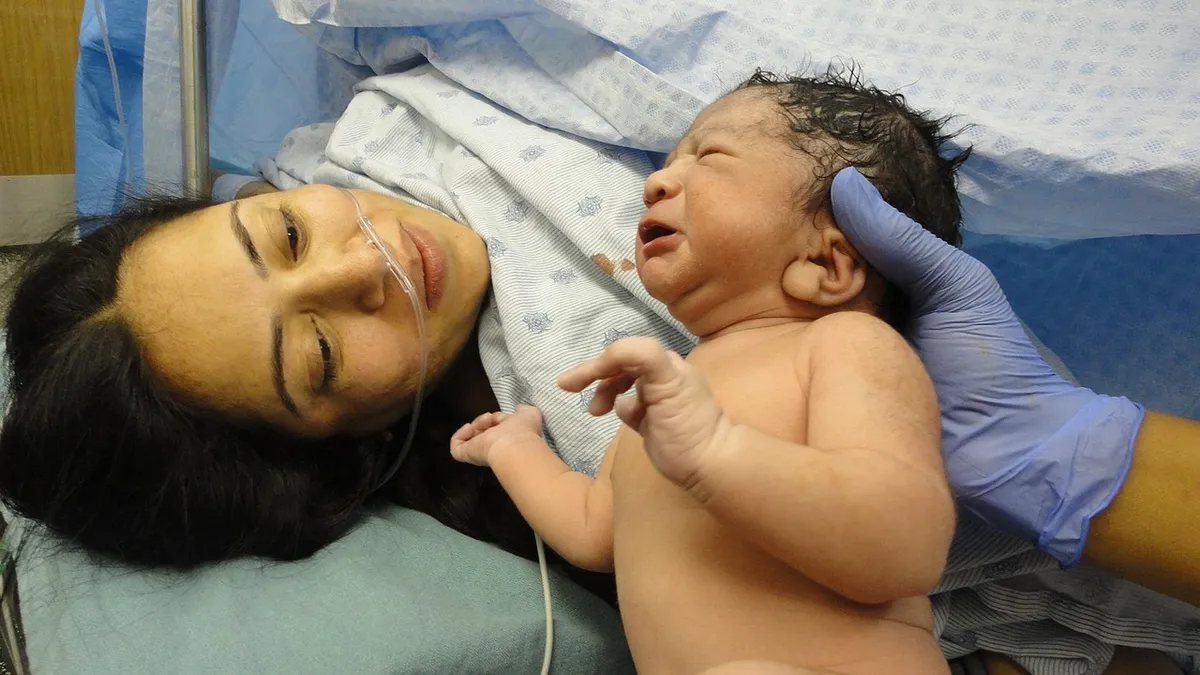
Parents preparing for a C-section should take the time to discuss the procedure thoroughly with their healthcare provider. Additionally, it’s important to understand what will happen before, during, and after surgery. Other ways you can prepare for a planned C-section include packing comfortable clothing that is suitable for recovery and creating realistic expectations regarding physical limitations during recovery. Having a cesarean-specific birth plan can also help parents communicate their preferences regarding support people, skin-to-skin contact, breastfeeding, and postpartum recovery. At MomEase, we find that many parents also find it helpful to arrange household support and postpartum care for the first several weeks postpartum.
Tips to Help Prepare for Postpartum Care Following a C-Section Birth
Many people associate the help of a doula exclusively with a vaginal birth, but doulas can provide tremendous value during planned C-sections, as well. Planned C-section doula support can provide the education and advocacy parents need throughout the birth experience. Prior to surgery, a doula can help parents understand their options, discuss birth preferences, and prepare for recovery. As part of C-section birth preparation, a doula can also provide reassurance, answer questions, and help create a sense of confidence for families who are facing anxiety about the procedure.
Doula support during C-section procedures may vary based on hospital policies and medical circumstances. In some cases, doulas may be able to remain with the parent during portions of the cesarean birth. For instance, during the birth experience, a doula may:
- Provide calming emotional support
- Help parents stay informed about what is happening
- Assist with communication between families and healthcare providers
- Encourage relaxation techniques
- Support the partner so they feel confident in their role
- Facilitate early bonding and feeding when possible
Even in cases in which the doula cannot be physically present in the room, they can often provide support prior to the procedure and assist with recovery afterward.
Recovery following a cesarean requires time, patience, and support. The first few weeks of postpartum may include fatigue, incision discomfort, limited mobility, and challenges lifting and carrying the baby. Strong support systems can make a significant difference during this period. A postpartum doula can provide C-section recovery support by assisting with newborn care, supporting feeding goals, preparing light meals, helping families rest, encouraging healthy recovery habits, and providing emotional support during this critical time.
The Support You Need for Different Types of C-Sections
Every cesarean birth is unique. Whether a C-section is planned, elective, unplanned, or occurs due to an emergency, understanding the process can help parents feel more confident. By preparing ahead of time, building a strong support team, and considering services such as postpartum doula care, families can create a positive experience. Learn more about a planned C-section doula package.
Header image courtesy of Pixabay